Showing posts with label CA. Show all posts

Tuesday, December 22, 2015

Holiday Safety Tips


The holiday season is upon us, and many pet parents plan to include their furry companions in the festivities. As you gear up for the holidays, it is important to try to keep your pet's eating and exercise habits as close to their normal routine as possible. Also, please be sure to steer pets clear of the following unhealthy treats, toxic plants and dangerous decorations.

Be Careful with Seasonal Plants and Decorations

Oh, Christmas Tree: Securely anchor your Christmas tree so it doesn't tip and fall, causing possible injury to your pet. This will also prevent the tree water—which may contain fertilizers that can cause stomach upset—from spilling.

Stagnant tree water is a breeding ground for bacteria, and your pet could end up with nausea or diarrhea should he imbibe.

Avoid Mistletoe & Holly: Holly, when ingested, can cause pets to suffer nausea, vomiting and diarrhea. Mistletoe can cause gastrointestinal upset and cardiovascular problems. And many varieties of lilies can cause kidney failure in cats if ingested. Opt for just-as-jolly artificial plants made from silk or plastic, or choose a pet-safe bouquet.

Tinsel-less Town: Kitties love this sparkly, light-catching "toy" that's easy to bat around and carry in their mouths. But a nibble can lead to a swallow, which can lead to an obstructed digestive tract, severe vomiting, dehydration and possible surgery. It's best to brighten your boughs with something other than tinsel.

That Holiday Glow: Don't leave lighted candles unattended. Pets may burn themselves or cause a fire if they knock candles over. Be sure to use appropriate candle holders, placed on a stable surface. And if you leave the room, put the candle out!

Wired Up: Keep wires, batteries and glass or plastic ornaments out of paws' reach. A wire can deliver a potentially lethal electrical shock and a punctured battery can cause burns to the mouth and esophagus, while shards of breakable ornaments can damage your pet's mouth and digestive tract.

Avoid Holiday Food Dangers Skip the Sweets: By now you know not to feed your pets chocolate and anything sweetened with xylitol, but do you know the lengths to which an enterprising pet will go to chomp on something yummy? Make sure to keep your pets away from the table and unattended plates of food, and be sure to secure the lids on garbage cans.

Leave the Leftovers: Fatty, spicy and no-no human foods, as well as bones, should not be fed to your furry friends. Pets can join the festivities in other fun ways that won't lead to costly medical bills. Careful with Cocktails: If your celebration includes adult holiday beverages, be sure to place your unattended alcoholic drinks where pets cannot get to them. If ingested, your pet could become weak, ill and may even go into a coma, possibly resulting in death from respiratory failure.

Selecting Special Treats: Looking to stuff your pet's stockings? Stick with chew toys that are basically indestructible, Kongs that can be stuffed with healthy foods or chew treats that are designed to be safely digestible. Long, stringy things are a feline's dream, but the most risky toys for cats involve ribbon, yarn and loose little parts that can get stuck in the intestines, often necessitating surgery. Surprise kitty with a new ball that's too big to swallow, a stuffed catnip toy or the interactive cat dancer.

SOURCE: https://www.aspca.org/pet-care/general-pet-care/holiday-safety-tips

Tuesday, February 24, 2015

Laundry Detergent Pods Cause Harm in Pets Too

Most soaps and detergents contain chemicals called ionic and anionic surfactants. When a small amount of such products are ingested, it is possible for pets to respond to the unpleasant taste or to have mild, self-limiting gastrointestinal upset (drooling, vomiting, and diarrhea). However, a new danger seems to be presenting. It was first noticed that young children were developing serious respiratory issues after biting into the highly concentrated, pre-packaged laundry detergent pods (some that look like candy and come in brightly colored packages). Not surprisingly, Pet Poison Helpline has noticed some severe clinical sings in dogs and cats exposed to these pods as well. Of the cases reported to the Pet Poison Helpline over the past 2 years, 72.19% of pets developed clinical signs. In order of prevalence, 84.4% of symptomatic cases experienced vomiting, 21.48% experienced cough, 17% experienced lethargy, and 13.3% experienced dyspnea, wheezing, or other respiratory irritation. The reason for the increased severity between pets exposed to laundry pods and pets simply licking product off the floor or off their fur is thought to be due to the way the product is formulated in the pod. When a pet bites into a pod, the product is both highly concentrated and under pressure from the bite. Therefore, when the pod is punctured, the detergents are forcefully expelled and may be easily aspirated or swallowed, often in large amounts. Theoretically, ingestion of multiple packets also pose a risk for a foreign body obstruction and erosive lesions from prolonged contact in the gut. When these exposures occur, it is important to dilute the exposed site as much as possible—rinse the mouth, skin, or eyes until the slick, “soapy” feel is gone. Any persistent vomiting or respiratory signs should be evaluated by a veterinarian immediately. Respiratory patients should be evaluated for aspiration. There is no antidote for laundry pod exposure and any persistent clinical signs should be treated with symptomatic and supportive care. Consultation with Pet Poison Helpline is recommended following the ingestion of pod contents or severely symptomatic patients.

 Source: http://www.petpoisonhelpline.com/2015/01/laundry-detergent-pods-cause-harm-pets/

Tuesday, November 18, 2014

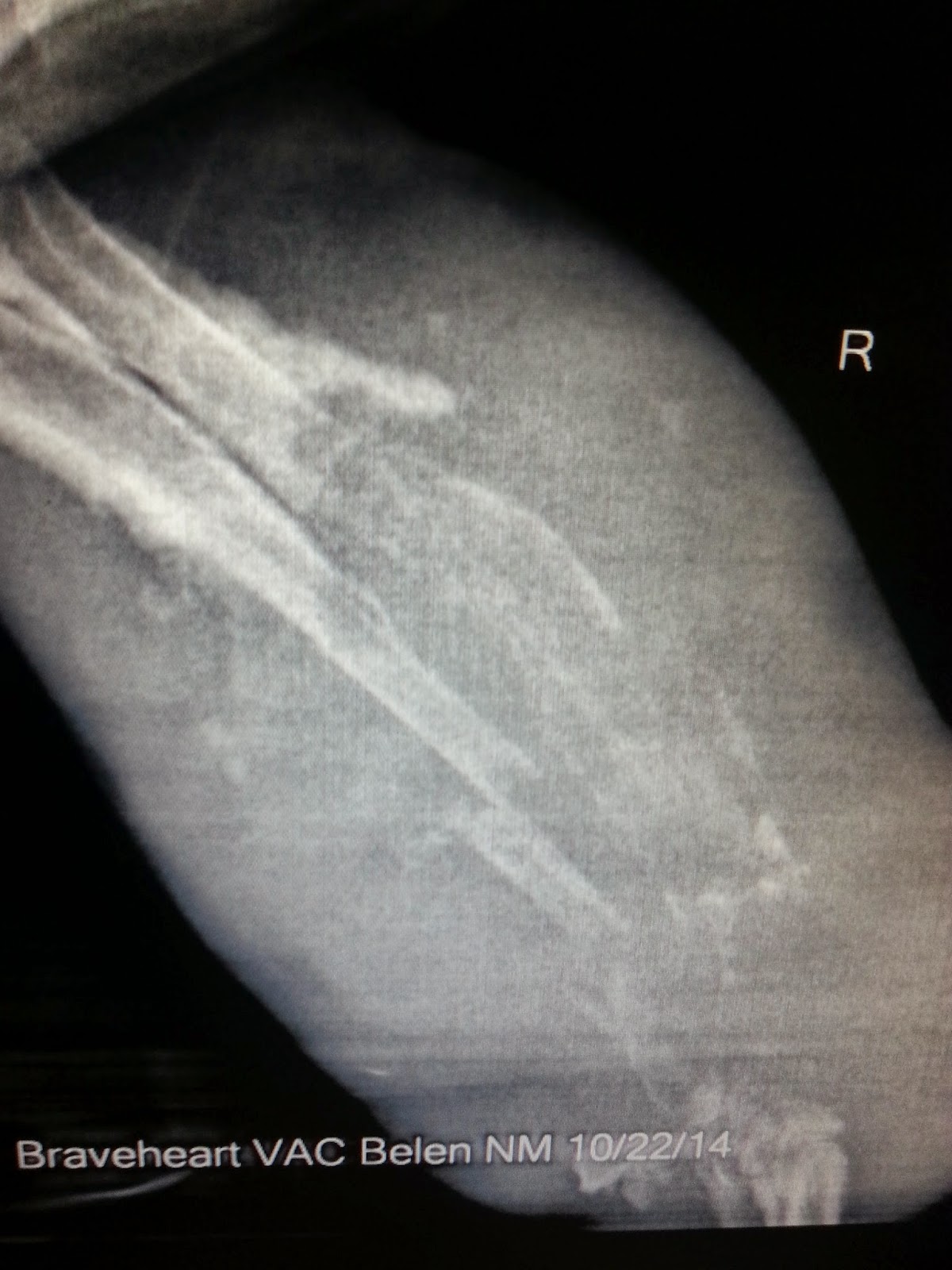
Pet Cancer Awareness: Braveheart and Bone Cancer

Braveheart is an Irish Wolffound with Osteosarcoma, also known as Bone Cancer, in his right front leg. 


Description- Osteosarcoma is the most common primary bone tumor found in dogs. It accounts for upto 85% of all malignancies originating in the skeleton. It mostly occurs in middle aged to older dogs, with a median age of 7 years. Primary rib OS tends to occur in younger adult dogs with a median age of 4.5 to 5.4 years. Larger breeds have a high propensity for the disease. Dogs like Great Dane, Irish setter, Doberman pinscher, Rottweiler, German Shepherd and Golden Retriever are at greater risk of contracting osteosarcoma because of their size and weight.

If you have any questions about osteosarcoma and dogs, call Valencia Animal Clinic today!

 SOURCE: http://www.wearethecure.org/osteosarcoma