Wednesday, May 20, 2015

Celebrate Pet Safety this Memorial Day


As the unofficial start to summer, Memorial Day is a great excuse to get outdoors. But whether you’re partying, barbequing, or just soaking up some rays, it’s important to keep your pet’s safety in mind at all times. To prevent any Memorial Day mishaps, we’ve put together five tips to help protect animals during the “Dog Days” of the season.

Party Smart
Barbequing is one of the best parts of Memorial Day, but remember that the food and drink you serve your guests may be poisonous to pets. Keep alcoholic beverages away from animals, and remind guests not to give them any table scraps or snacks. Raisins, grapes, onions, chocolate, and avocado are all common at barbeques—and they’re all especially toxic to animals.

Be Cool Near the Pool
Don’t leave pets unsupervised around a pool or lake—not all dogs are expert swimmers! Introduce your pets to water gradually and make sure they wear flotation devices when on boats. Also, try to keep your dog from drinking pool water, which contains potentially dangerous chemicals like chlorine.

Skip the Spray
Unless specifically designed for animals, insect repellant and sunscreen can be toxic to pets. Signs of repellent toxicity include drooling, vomiting, diarrhea, excessive thirst, and lethargy. DEET, a common insecticide in products for humans, may cause neurological issues in dogs.

Made in the Shade
Pets can get dehydrated quickly, so if you’re spending time outside, give them plenty of fresh, clean water and make sure they have a shady place to get out of the sun. Note that animals with flat faces, like Pugs and Persian cats, are more susceptible to heat stroke since they cannot pant as effectively. These pets, along with the elderly, the overweight, and those with heart or lung diseases, should be kept cool in air-conditioned rooms as much as possible. 

IDs, Please
Time spent outdoors comes with the added risk of pets escaping. Make sure that your pet is fitted with a microchip or ID tag with identifying information, or both. It’s always better to be safe than sorry.


Source: http://www.aspca.org/blog/celebrate-pet-safety-memorial-day

Wednesday, March 4, 2015

Reasons To Act More Like Your Pet

1. They focus on what matters most. You may get grumpy after a bad day at the office, but your pooch never does. “Companion animals mostly care about food, love, and shelter (not always in that order). As long as they have those things, they don’t need much else,” Mary Gardner, DVM, a veterinarian and cofounder of Lap of Love Veterinary Hospice tells Yahoo Health. “Pets also don’t complain much at all. People believe they hide their pain; I simply think they manage it differently.” If humans could model these behaviors, Gardner adds, we’d be healthier, happier, “and more people would want to be around us.”

2. They practice portion control (even if not by choice). Snowball might not want to limit her kibble intake any more than you want to limit your tortilla-chip intake. Nonetheless, she typically eats reasonably sized helpings of nutritionally balanced food — and never gets to eat straight out of the bag. Follow her lead. “Both animals and people need structure and regulation when it comes to portion size,” says Jme Thomas, executive director of Motley Zoo Animal Rescue based in Redmond, Washington.

3. They know how to de-stress. Your pooch doesn’t pour a glass of cabernet when the going gets rough (though, yes, it would make a very popular YouTube video if she did). She may, however, start begging for a walk or to play a game. Smart dog! “Actively seeking healthy activities — that function as de-stressors when stress levels are high — helps to reset people as well as dogs, and bring us back to a productive and functional status, from which many things feel a lot more ‘do-able,’” Marisa Scully, a certified dog behavior specialist in Philadelphia, tells Yahoo Health.

4. They hit the hay. People don’t get enough sleep: According to a 2014 survey by the National Sleep Foundation, 45 percent of Americans said that a lack of sleep had impaired their activities at least once in the previous week. Learn from your cat or dog, who knows just how important it is to get enough shut-eye, says Jeff Werber, VVM, president and chief veterinarian of Century Veterinary Group in Los Angeles. “Whether it’s a lazy dog day afternoon, or a quick cat nap, you won’t find them burning the candles at both ends.”

5. They stretch! There’s a reason one of the most common yoga moves is named downward dog. Dogs (and cats) stretch constantly — and we should do the same, notes certified dog behavior consultant Russell Hartstein. Why? Stretching can improve flexibility and reduce your risk of injury.

6. They’re open to new things. Animals are naturally curious. “Open a box or empty a bag and before you know it, your cat will have climbed in to investigate. Walk your dog past a gardener planting flowers and chances are she will check it out before moving on,” Werber says. “And they’re always up for some fun. A game of catch, a walk, a visit — bring it on.” Since research has found that seeking out new experiences can keep people feeling young and healthy, we’d do well to follow suit.

7. They’re comfortable getting zen. Numerous studies have found a correlation between mindful meditation and reduced stress, decreased heart disease, and a stronger immune response — and that’s something your cat already knows how to do instinctively. “Each morning I sit on the sofa with my cat, Turtle, while I drink my first cup of coffee,” says Kristen Levine, a pet living expert. “We spend about 10 minutes together, her getting neck and head rubs, me enjoying her purring and having a few meditative moments at the start of the day.It sounds simple, and it can be, but depending on the activity, it can have a powerfully relaxing or invigorating effect for both human and critter.”

 Source: https://www.yahoo.com/health/7-health-lessons-our-pets-teach-us-112252958927.html

Tuesday, February 24, 2015

Laundry Detergent Pods Cause Harm in Pets Too

Most soaps and detergents contain chemicals called ionic and anionic surfactants. When a small amount of such products are ingested, it is possible for pets to respond to the unpleasant taste or to have mild, self-limiting gastrointestinal upset (drooling, vomiting, and diarrhea). However, a new danger seems to be presenting. It was first noticed that young children were developing serious respiratory issues after biting into the highly concentrated, pre-packaged laundry detergent pods (some that look like candy and come in brightly colored packages). Not surprisingly, Pet Poison Helpline has noticed some severe clinical sings in dogs and cats exposed to these pods as well. Of the cases reported to the Pet Poison Helpline over the past 2 years, 72.19% of pets developed clinical signs. In order of prevalence, 84.4% of symptomatic cases experienced vomiting, 21.48% experienced cough, 17% experienced lethargy, and 13.3% experienced dyspnea, wheezing, or other respiratory irritation. The reason for the increased severity between pets exposed to laundry pods and pets simply licking product off the floor or off their fur is thought to be due to the way the product is formulated in the pod. When a pet bites into a pod, the product is both highly concentrated and under pressure from the bite. Therefore, when the pod is punctured, the detergents are forcefully expelled and may be easily aspirated or swallowed, often in large amounts. Theoretically, ingestion of multiple packets also pose a risk for a foreign body obstruction and erosive lesions from prolonged contact in the gut. When these exposures occur, it is important to dilute the exposed site as much as possible—rinse the mouth, skin, or eyes until the slick, “soapy” feel is gone. Any persistent vomiting or respiratory signs should be evaluated by a veterinarian immediately. Respiratory patients should be evaluated for aspiration. There is no antidote for laundry pod exposure and any persistent clinical signs should be treated with symptomatic and supportive care. Consultation with Pet Poison Helpline is recommended following the ingestion of pod contents or severely symptomatic patients.

 Source: http://www.petpoisonhelpline.com/2015/01/laundry-detergent-pods-cause-harm-pets/

Thursday, December 11, 2014

Decoration Safety

‘Tis the season……..of apple pie treats, pine needle scents, glass ornaments twinkling on the tree….and of trees crashing to the ground in your living room while kitty scales the branches!  If you live with cats, hang heirloom glass ornaments up high, away from kitty paws, and anchor your tree with guy wires.  Avoid gift ribbons, tinsel, and metallic garland.  Cats like to eat them, but they may not exit your cat without the help of your veterinarian!  Wrap electrical cords with plastic tubing to preventing high voltage snacking.  And finally, forgo the chemicals that keep your tree fresh longer if there’s any chance your cat could drink it.  Many of these chemicals are toxic to cats!   

Tuesday, November 18, 2014

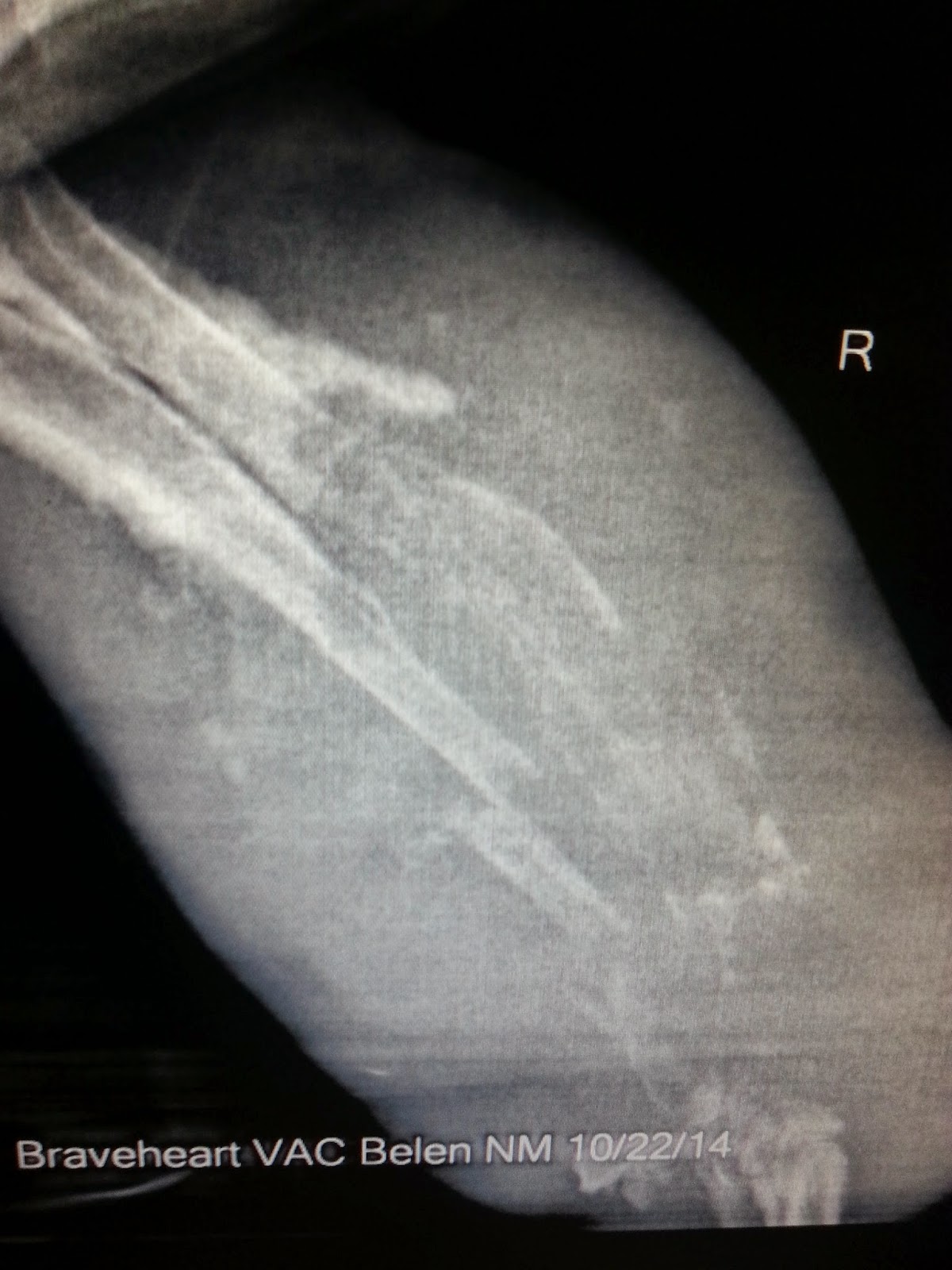
Pet Cancer Awareness: Braveheart and Bone Cancer

Braveheart is an Irish Wolffound with Osteosarcoma, also known as Bone Cancer, in his right front leg. 


Description- Osteosarcoma is the most common primary bone tumor found in dogs. It accounts for upto 85% of all malignancies originating in the skeleton. It mostly occurs in middle aged to older dogs, with a median age of 7 years. Primary rib OS tends to occur in younger adult dogs with a median age of 4.5 to 5.4 years. Larger breeds have a high propensity for the disease. Dogs like Great Dane, Irish setter, Doberman pinscher, Rottweiler, German Shepherd and Golden Retriever are at greater risk of contracting osteosarcoma because of their size and weight.

If you have any questions about osteosarcoma and dogs, call Valencia Animal Clinic today!

 SOURCE: http://www.wearethecure.org/osteosarcoma

Thursday, September 18, 2014

Is Your Cat Missing the Litter Box?


You have a problem. Your cat is thinking outside the box, and not in a good way. You may be wondering what you did to inspire so much “creative expression.” Is your cat punishing you? Is Fluffy just “bad”? No, and no. House soiling and missing the litter box is a sign that your cat needs some help. According to the Winn Feline Foundation, house soiling is the number one complaint among cat owners. The good news is that it is very treatable. An accredited veterinarian can help you determine if the problem is medical or related to social or environmental stressors. In addition to a complete physical exam, the doctor will ask you specific “where and when” questions. Health factors Tony Buffington, DVM, PhD, a specialist in feline urinary disorders at The Ohio State University, and founder of the Indoor Cat Initiative says that many veterinarians recommend a urine test for every cat with a house soiling problem.

The urinalysis will determine if blood, bacteria, or urinary crystals are present — signs that your cat might have feline lower urinary tract disease (FLUTD). FLUTD is very common and can cause painful urination. Cats that begin to associate the litter box with pain will avoid it. Other medical possibilities include hyperthyroidism, kidney disease, diabetes, and arthritis and muscle or nerve disorders that might prevent your cat from getting to the litter box in time. Environmental factors If there is no medical cause, the next step is to look at environmental factors. Start with the litter box.

Your cat might be avoiding the litter box because it is not cleaned well enough, you’ve changed the type of litter you use, or there is only one box for multiple cats. Another possibility is that your cat is “marking” — spraying urine, typically on vertical objects such as walls and furniture, or in “socially significant” areas near doors or windows. Both male and female cats mark. The most common offenders are cats that have not been spayed or neutered. Buffington says that stress can cause elimination problems too. For example, subtle aggression or harassment by other house cats or neighborhood cats may be an issue. Indoor Cat Initiative Even unremarkable changes in your home can make your cat anxious or fearful. Look around. Did anything change right before your cat started having problems? Did you get a new pet? A new couch? Maybe you just moved the old couch to a different part of the room, or had a dinner party. Cats are sensitive creatures and changes that seem small to you can throw your cat off his game. Check with your veterinarian about finding solutions that work for both you and your cat.

Source: http://www.aaha.org/pet_owner/pet_health_library/cat_care/behavior/missing_the_litter_box.aspx

Tuesday, August 12, 2014

Back to School Separation Anxiety


With all the excitement of the kids going back to school, many families may not think about what it means to the dog or cat. What you may notice are changes in behavior, a sad dog or cat, who mopes around or sleeps a lot more. Or your dog may suddenly started chewing things he shouldn't, or your cat does a lot more meowing. And you may not even connect the unusual cat or dog behavior with back-to-school time. Dogs and cats love routine, it makes them feel secure. They like knowing that certain things happen at about the same time each day, and they know where they want to be when it happens. If the kids have been around all summer, playing outside with the dog, or giving kitty extra love and snuggles, and suddenly they’re gone all day, it's upsetting. For some pets, they just feel sad and confused, and others feel real separation anxiety and may act up. 

Kids can help your pet through the back-to-school blues The first thing to note is that this is a family matter, and a good opportunity for the kids to take more responsibility for the care of their pets. Let your kids know that their dog or cat is going to miss them when they're gone all day, and discuss what they can do to help their pets through it. One of the best ways for a pet to get over the loss of one routine is to replace it with another. Your pet may be sad all day at first, but if he knows that at 3:45 your kids will be home from school and will actively play with him soon after each day, your pet has something new to look forward to. If your child has a set time to do homework or read, that's an excellent time for the dog or cat to curl up next to her and "help" with studying. Ask your kids to think of other ways to include their pets in their routines. 

More than just sad, it’s separation anxiety If your pet exhibits true separation anxiety, as in, he goes crazy when he sees your kids put on their backpacks to leave for school, or is destructive when everyone is gone, you'll have to do some gentle training to ease his stress. Your kids may feel sorry for their pet and do a long sad goodbye. This only reinforces your pet’s fears and builds up the anxiety. It’s better to make the goodbye upbeat and brief, or eliminate it completely. Depending on your pet, he may respond well to a goodbye petting, a little goodbye treat, or simply leaving with a cheerful "good boy!" as your kids go out the door. This should happen before your pet gets upset. If your pet is freaking out, absolutely do not reward with anything. If you can get your pet to calm down รข€“ if it’s a dog, a simple "sit!" command may help. Then reward with petting and telling him he's ok once he’s calm. If your pet gets upset just by the backpacks or car keys being picked up, pick those items up and walk around the house with them several times a day, but don't leave. Your pet will learn not to associate those items with the pending doom of your kids leaving.

When back-to-school means an empty house If everyone is gone all day, both parents included, your pets are going to be bored on top of being upset. It's important to leave them some interactive toys to help them pass the time. Eventually, they will get used to the new reality, and will likely sleep most of the day. You can balance the boredom by providing vigorous exercise each day when you or your kids are home. Remember, you and your kids may have had a very busy day, but your pet has done virtually nothing, unless there is evidence to the contrary, as in a shredded or chewed up sofa. Providing your dog or cat active, vigorous play each day will help them burn up their pent up energy. Take your dog for a run or go outside and throw a ball or flying disk. For your cat, run around the house with a little toy on the end of a string. You may also want to consider getting your pet a little buddy to keep him company when no one is home. Even an aloof adult cat is likely to accept a kitten into her life, and the kitten will entice the older cat to play. And dogs, being true social animals, nearly always accept another dog to play with. Remember, your pets can get nervous, upset, anxious or lonely just like people, only they don't have the benefit of knowing that you’ll be back when you leave. It's up to you and your kids to make your pets feel secure in ways they understand. 

Source: http://www.petcentric.com/08-24-2009/your-pets-view-of-kids-going-back-to-school